- English
- Español
- Português
- русский
- Français
- 日本語
- Deutsch
- tiếng Việt
- Italiano
- Nederlands
- ภาษาไทย
- Polski
- 한국어
- Svenska
- magyar
- Malay
- বাংলা ভাষার
- Dansk
- Suomi
- हिन्दी
- Pilipino
- Türkçe
- Gaeilge
- العربية
- Indonesia
- Norsk
- تمل
- český
- ελληνικά
- український
- Javanese
- فارسی
- தமிழ்
- తెలుగు
- नेपाली
- Burmese
- български
- ລາວ
- Latine
- Қазақша
- Euskal
- Azərbaycan
- Slovenský jazyk
- Македонски
- Lietuvos
- Eesti Keel
- Română
- Slovenski

How Does a Hopper Loader Improve Material Handling Efficiency?
Abstract: A hopper loader is a critical device in modern industrial automation, designed to streamline the transfer of raw materials such as plastic pellets, powders, and granules. This article explores how hopper loaders work, their key benefits, selection considerations, and solutions to common operational challenges. Whether you are optimizing production efficiency or reducing manual labor, understanding hopper loaders can significantly enhance your workflow.
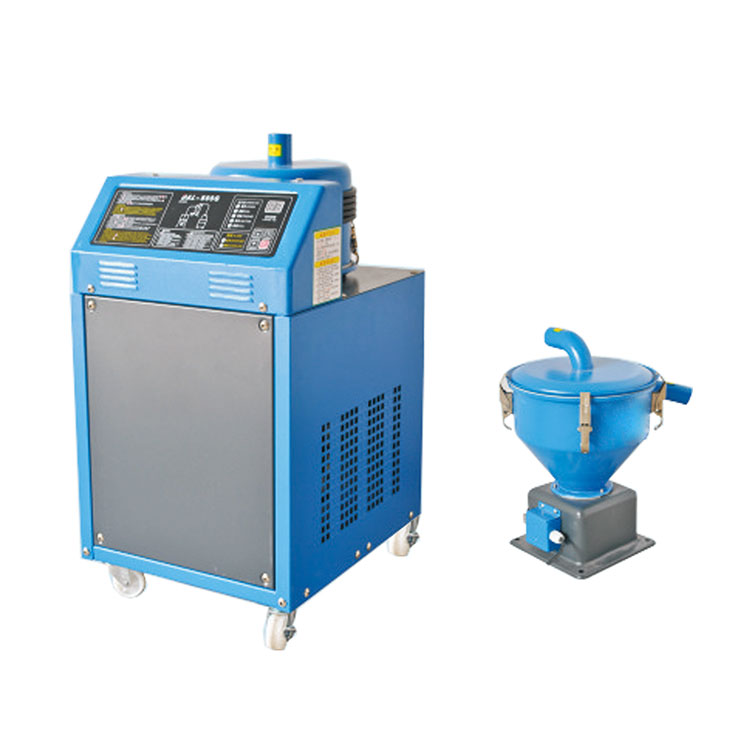
Table of Contents
1. What Is a Hopper Loader?
A hopper loader is an automated material conveying system widely used in industries such as plastics processing, injection molding, and packaging. It is designed to transport raw materials from storage containers to processing machines efficiently and without contamination.
Instead of relying on manual loading, hopper loaders use vacuum suction or compressed air systems to move materials, ensuring consistent supply and minimizing downtime.
2. How Does a Hopper Loader Work?
The working principle of a hopper loader revolves around vacuum conveying technology. The process typically includes the following steps:
- Material is stored in a central container or silo
- A vacuum motor generates suction
- Material is transported through pipes into the hopper
- A filter separates air from the material
- The material is deposited into the processing machine
Key Insight: Automated loading ensures a continuous production cycle, eliminating interruptions caused by manual refilling.
3. Key Benefits of Using a Hopper Loader
| Benefit | Description |
|---|---|
| Increased Efficiency | Automates material transfer, reducing production delays |
| Labor Cost Reduction | Minimizes manual handling requirements |
| Improved Cleanliness | Closed system prevents contamination |
| Consistent Material Supply | Ensures stable machine operation |
| Energy Efficiency | Modern systems optimize power consumption |
These advantages make hopper loaders essential for companies seeking scalable and reliable production systems.
4. Common Customer Pain Points and Solutions
Pain Point 1: Frequent Machine Downtime
Solution: Hopper loaders provide automatic feeding, ensuring machines never run out of material.
Pain Point 2: High Labor Costs
Solution: Automation reduces dependency on manual workers for material loading.
Pain Point 3: Material Contamination
Solution: Sealed conveying systems maintain material purity.
Pain Point 4: Inefficient Production Flow
Solution: Continuous material supply improves overall workflow efficiency.
5. Types of Hopper Loaders
- Single-Phase Hopper Loaders: Ideal for small-scale operations
- Three-Phase Hopper Loaders: Suitable for heavy-duty industrial use
- Separate Vacuum Hopper Loaders: Designed for centralized systems
- Integrated Hopper Loaders: Compact units mounted directly on machines
Each type serves different operational needs depending on production scale and material characteristics.
6. How to Choose the Right Hopper Loader
When selecting a hopper loader, consider the following factors:
- Material type (granules, powder, flakes)
- Distance between storage and machine
- Required conveying capacity
- Power supply availability
- Environmental conditions (dust, humidity)
Pro Tip: Choosing the wrong capacity can lead to inefficiencies—either underperformance or unnecessary energy consumption.
For tailored solutions and professional guidance, Niasi offers a wide range of advanced hopper loaders designed to meet diverse industrial requirements—contact us today to find the perfect fit for your production line.
7. Maintenance Tips for Long-Term Performance
- Regularly clean filters to maintain suction efficiency
- Inspect hoses and connections for leaks
- Check motor performance periodically
- Ensure proper grounding for safety
- Schedule routine inspections
Proper maintenance not only extends equipment lifespan but also ensures consistent operational performance.
8. FAQ
Q1: What materials can a hopper loader handle?
A: Most hopper loaders are designed for plastic pellets, powders, and lightweight granules.
Q2: Is installation complicated?
A: No, most systems are designed for easy installation and integration with existing machinery.
Q3: How do I know the right capacity?
A: Capacity depends on your machine consumption rate and conveying distance.
Q4: Can hopper loaders reduce waste?
A: Yes, controlled material transfer minimizes spillage and waste.
Q5: Where can I get reliable hopper loaders?
A: Niasi provides high-quality, durable hopper loaders tailored to industrial needs—contact us now to discuss your requirements and boost your production efficiency.
Conclusion:
Hopper loaders are indispensable in modern manufacturing environments. By automating material handling, they enhance efficiency, reduce costs, and ensure consistent production quality. Investing in the right system can significantly transform your operational performance.