- English
- Español
- Português
- русский
- Français
- 日本語
- Deutsch
- tiếng Việt
- Italiano
- Nederlands
- ภาษาไทย
- Polski
- 한국어
- Svenska
- magyar
- Malay
- বাংলা ভাষার
- Dansk
- Suomi
- हिन्दी
- Pilipino
- Türkçe
- Gaeilge
- العربية
- Indonesia
- Norsk
- تمل
- český
- ελληνικά
- український
- Javanese
- فارسی
- தமிழ்
- తెలుగు
- नेपाली
- Burmese
- български
- ລາວ
- Latine
- Қазақша
- Euskal
- Azərbaycan
- Slovenský jazyk
- Македонски
- Lietuvos
- Eesti Keel
- Română
- Slovenski

How Automatic Feeding System Transforms Efficiency in Modern Operations
Abstract
In industries where consistency, efficiency, and labor optimization are critical, an Automatic Feeding System has emerged as a transformative solution. This article explores how such systems address common operational challenges, improve productivity, and reduce long-term costs. From manufacturing lines to agricultural applications, businesses are increasingly adopting automation to remain competitive. This comprehensive guide breaks down how these systems work, their benefits, key components, and how to select the right solution for your needs.
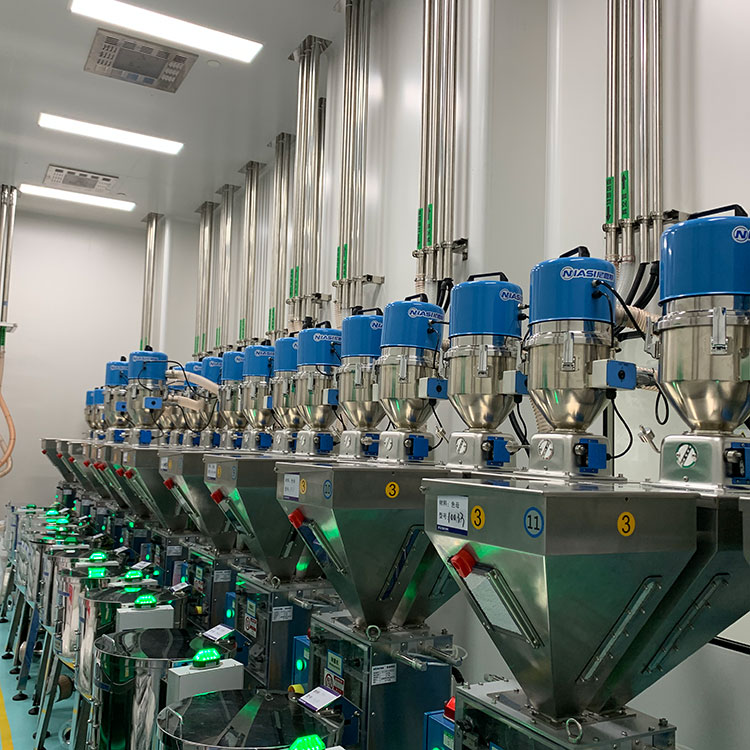
Table of Contents
- 1. Overview of Automatic Feeding Systems
- 2. Common Customer Pain Points
- 3. How Automatic Feeding System Works
- 4. Key Components Explained
- 5. Core Benefits for Businesses
- 6. Manual vs Automatic Feeding
- 7. How to Choose the Right System
- 8. Industry Applications
- 9. FAQ
1. Overview of Automatic Feeding Systems
An Automatic Feeding System is a mechanized solution designed to deliver materials, components, or feed into a process without continuous manual intervention. These systems are widely used in industries such as agriculture, plastics, packaging, and manufacturing.
By integrating sensors, conveyors, and control systems, the feeding process becomes streamlined, reducing variability and increasing precision. Companies like Niasi specialize in providing high-performance feeding solutions tailored to different operational requirements.
2. Common Customer Pain Points
Before implementing automation, businesses often struggle with several challenges:
- Inconsistent material supply affecting production quality
- High labor costs and dependency on manual workers
- Material wastage due to human error
- Production downtime caused by feeding interruptions
- Difficulty scaling operations efficiently
These issues directly impact profitability and operational efficiency. An Automatic Feeding System is designed specifically to eliminate these bottlenecks.
3. How Automatic Feeding System Works
At its core, an Automatic Feeding System operates through a coordinated sequence of actions:
- Material is stored in a hopper or storage unit
- Sensors monitor material levels and demand
- A conveyor or vacuum loader transports materials
- A control system regulates timing and quantity
- Material is delivered precisely where needed
Advanced systems also incorporate programmable logic controllers (PLC), enabling real-time adjustments and data monitoring. This ensures optimal performance even under varying production conditions.
4. Key Components Explained
| Component | Function |
|---|---|
| Hopper | Stores raw materials before feeding |
| Conveyor/Vacuum Loader | Transfers materials to processing units |
| Sensors | Detect material levels and flow conditions |
| Control System | Automates and regulates the feeding process |
| Discharge Unit | Ensures accurate delivery of materials |
Each component plays a vital role in ensuring the system operates seamlessly and efficiently.
5. Core Benefits for Businesses
- Increased Efficiency: Continuous and precise feeding eliminates production delays
- Cost Reduction: Lower labor requirements and reduced material waste
- Improved Consistency: Uniform feeding enhances product quality
- Scalability: Easily adapt to increased production demands
- Enhanced Safety: Minimizes manual handling risks
Companies like Niasi have engineered systems that not only optimize feeding processes but also integrate seamlessly with existing production lines.
6. Manual vs Automatic Feeding
| Aspect | Manual Feeding | Automatic Feeding System |
|---|---|---|
| Labor Dependency | High | Low |
| Accuracy | Variable | Highly Precise |
| Efficiency | Limited | Continuous Operation |
| Cost Over Time | Higher | Lower |
| Scalability | Difficult | Easy |
7. How to Choose the Right System
When selecting an Automatic Feeding System, consider the following factors:
- Type and characteristics of materials
- Required feeding capacity
- Integration with existing machinery
- Automation level and control requirements
- Maintenance and service support
Working with a trusted provider like Niasi ensures that the system is customized to meet your specific operational needs.
8. Industry Applications
Automatic Feeding Systems are widely used across various industries:
- Manufacturing: Feeding components into assembly lines
- Plastics Processing: Resin handling and material transport
- Agriculture: Livestock feeding automation
- Food Industry: Ingredient handling and batching
- Packaging: Continuous supply of packaging materials
The adaptability of these systems makes them an essential part of modern industrial infrastructure.
9. FAQ
Q1: Is an Automatic Feeding System suitable for small businesses?
Yes, scalable solutions are available that cater to both small and large operations.
Q2: How much maintenance is required?
Routine inspections and basic maintenance ensure long-term performance with minimal downtime.
Q3: Can the system handle different materials?
Yes, systems can be customized to handle powders, granules, liquids, and more.
Q4: What is the return on investment?
Most businesses see ROI through reduced labor costs, improved efficiency, and minimized waste.
Q5: How long does installation take?
Depending on system complexity, installation can range from a few days to several weeks.
Conclusion
An Automatic Feeding System is more than just an upgrade—it is a strategic investment in efficiency, consistency, and scalability. By addressing key operational pain points, businesses can significantly enhance productivity and reduce long-term costs.
If you are looking to modernize your operations and stay ahead in a competitive market, Niasi offers reliable and advanced solutions tailored to your needs.
Ready to optimize your production process and boost efficiency? Contact us today to discover how Niasi can deliver the perfect automatic feeding solution for your business.