- English
- Español
- Português
- русский
- Français
- 日本語
- Deutsch
- tiếng Việt
- Italiano
- Nederlands
- ภาษาไทย
- Polski
- 한국어
- Svenska
- magyar
- Malay
- বাংলা ভাষার
- Dansk
- Suomi
- हिन्दी
- Pilipino
- Türkçe
- Gaeilge
- العربية
- Indonesia
- Norsk
- تمل
- český
- ελληνικά
- український
- Javanese
- فارسی
- தமிழ்
- తెలుగు
- नेपाली
- Burmese
- български
- ລາວ
- Latine
- Қазақша
- Euskal
- Azərbaycan
- Slovenský jazyk
- Македонски
- Lietuvos
- Eesti Keel
- Română
- Slovenski

Why Is a Water Chiller Essential for Industrial Cooling Systems?
Abstract
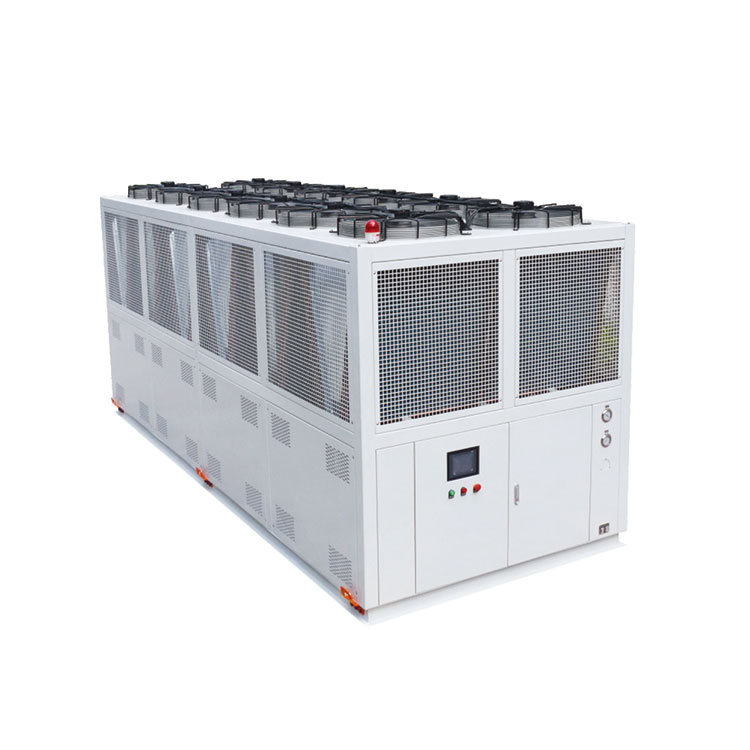
A water chiller is a critical thermal control system widely used in industrial processing, plastic manufacturing, medical equipment, food production, and HVAC applications. Its primary function is to remove heat from process water and maintain a stable, controlled temperature environment. This article explains how a water chiller works, its internal structure, operating principles, types, benefits, and practical selection guidance to help users solve real operational challenges such as overheating, unstable production quality, and energy inefficiency.
Outline
- What is a Water Chiller?
- Core Components and System Structure
- Working Principle Explained Step-by-Step
- Main Types of Water Chillers
- Industrial Applications
- Advantages and Performance Benefits
- Common Issues and Troubleshooting
- Maintenance Guidelines
- Selection Guide Table
- About Dongguan Niasi Plastic Machinery Co., Ltd.
- FAQ Section
Table of Contents
- 1. Understanding Water Chiller Systems
- 2. Core Components
- 3. Working Principle
- 4. Types of Water Chillers
- 5. Industrial Applications
- 6. Advantages of Using Water Chillers
- 7. Common Problems & Troubleshooting
- 8. Maintenance Guidelines
- 9. Selection Guide
- 10. Manufacturer Insight
- 11. Frequently Asked Questions
1. Understanding Water Chiller Systems
A water chiller is a mechanical refrigeration system designed to remove heat from water by using a vapor-compression or absorption cycle. The cooled water is then circulated through industrial equipment or processes to absorb heat and maintain optimal operating conditions. Unlike simple cooling methods, chillers provide precise temperature control, which is essential in high-precision industries.
In many production environments, temperature fluctuations can cause product defects, equipment wear, and inconsistent output. Water chillers solve this problem by providing continuous and stable cooling performance.
2. Core Components
A typical water chiller consists of several key components that work together in a closed-loop system:
- Compressor: Pressurizes refrigerant gas and drives the cooling cycle.
- Condenser: Releases heat absorbed from the system into air or cooling water.
- Evaporator: Transfers heat from process water to refrigerant.
- Expansion valve: Controls refrigerant flow and pressure reduction.
- Water pump: Circulates chilled water through the application system.
- Control system: Monitors and regulates temperature and system performance.
3. Working Principle
The operation of a water chiller is based on the refrigeration cycle. The process can be broken down into four stages:
- Compression: The compressor compresses refrigerant gas, increasing pressure and temperature.
- Condensation: The hot refrigerant gas moves into the condenser, where it releases heat and becomes liquid.
- Expansion: The liquid refrigerant passes through an expansion valve, reducing pressure and temperature.
- Evaporation: The cold refrigerant absorbs heat from circulating water in the evaporator, cooling the water.
This cycle repeats continuously, ensuring stable chilled water output for industrial processes.
4. Types of Water Chillers
Water chillers can be categorized based on cooling methods and application requirements:
| Type | Description | Best Use Case |
|---|---|---|
| Air-Cooled Chiller | Uses ambient air to dissipate heat via fans and condenser coils. | Small to medium industrial setups |
| Water-Cooled Chiller | Uses cooling water and cooling towers for heat rejection. | Large-scale industrial facilities |
| Scroll Chiller | Uses scroll compressors for quiet and efficient operation. | Precision cooling applications |
| Screw Chiller | High-capacity system with screw compressors. | Heavy industrial loads |
5. Industrial Applications
Water chillers are widely used across industries where temperature control is critical:
- Plastic injection molding and extrusion
- Laser cutting and CNC machining
- Food and beverage processing
- Pharmaceutical manufacturing
- Medical imaging equipment
- Data centers and server cooling
In plastic processing, for example, inconsistent cooling can lead to deformation, shrinkage errors, and reduced product quality. A reliable chiller system eliminates these risks.
6. Advantages of Using Water Chillers
- Improved production consistency
- Reduced equipment overheating risk
- Lower operational downtime
- Energy-efficient thermal management
- Extended machinery lifespan
- Enhanced product quality control
Modern chillers are designed to optimize energy consumption while maintaining precise temperature accuracy, making them essential for competitive manufacturing environments.
7. Common Problems & Troubleshooting
Even high-quality water chillers may encounter operational issues. Below are common problems and solutions:
| Problem | Possible Cause | Solution |
|---|---|---|
| Insufficient cooling | Low refrigerant or dirty condenser | Check refrigerant levels and clean condenser |
| High energy consumption | Overloaded system or poor maintenance | Optimize load distribution and schedule maintenance |
| Water leakage | Pipe damage or loose connections | Inspect and repair piping system |
8. Maintenance Guidelines
Proper maintenance ensures long-term efficiency and reliability of water chillers:
- Clean condenser and evaporator regularly
- Monitor refrigerant pressure levels
- Inspect pumps and valves for wear
- Check electrical connections periodically
- Replace filters when necessary
Preventive maintenance significantly reduces unexpected breakdowns and improves system lifespan.
9. Selection Guide
| Factor | Consideration |
|---|---|
| Cooling Capacity | Match chiller capacity with heat load requirements |
| Energy Efficiency | Select systems with optimized power consumption |
| Environment | Air-cooled vs water-cooled depending on site conditions |
| Precision | Required temperature stability level |
10. Manufacturer Insight
Dongguan Niasi Plastic Machinery Co., Ltd. specializes in designing and manufacturing industrial cooling solutions tailored for plastic processing and related industries. The company focuses on stable performance, energy efficiency, and long-term operational reliability in water chiller systems.
For industries requiring precise temperature control, selecting a properly engineered system is essential for maintaining production stability and reducing operational costs.
11. Frequently Asked Questions
Q1: What is the main function of a water chiller?
A water chiller removes heat from water to maintain controlled temperatures for industrial processes.
Q2: How long does a water chiller last?
With proper maintenance, a high-quality chiller can operate efficiently for 8–15 years or more.
Q3: What industries use water chillers the most?
Plastics, pharmaceuticals, food processing, laser machining, and data centers are major users.
Q4: How often should maintenance be performed?
Basic inspections should be monthly, with full servicing recommended every 6–12 months.
Q5: What is the difference between air-cooled and water-cooled chillers?
Air-cooled systems use ambient air for heat dissipation, while water-cooled systems use cooling water and towers for higher efficiency in large installations.
A properly selected and maintained water chiller system can significantly enhance production stability, reduce waste, and improve operational efficiency across multiple industries. For customized cooling solutions and technical support, Dongguan Niasi Plastic Machinery Co., Ltd. provides reliable options tailored to industrial needs.
Contact us today to get professional guidance and high-performance water chiller solutions for your business requirements.