- English
- Español
- Português
- русский
- Français
- 日本語
- Deutsch
- tiếng Việt
- Italiano
- Nederlands
- ภาษาไทย
- Polski
- 한국어
- Svenska
- magyar
- Malay
- বাংলা ভাষার
- Dansk
- Suomi
- हिन्दी
- Pilipino
- Türkçe
- Gaeilge
- العربية
- Indonesia
- Norsk
- تمل
- český
- ελληνικά
- український
- Javanese
- فارسی
- தமிழ்
- తెలుగు
- नेपाली
- Burmese
- български
- ລາວ
- Latine
- Қазақша
- Euskal
- Azərbaycan
- Slovenský jazyk
- Македонски
- Lietuvos
- Eesti Keel
- Română
- Slovenski

How Do Low-Speed Granulators Improve Plastic Recycling Efficiency?
Plastic processing manufacturers constantly face material waste, excessive noise, dust pollution, and high maintenance costs during production. Traditional crushing equipment often creates inconsistent particle sizes and damages reusable materials, reducing overall production efficiency. Low-Speed Granulators are designed to solve these problems by providing quieter operation, cleaner grinding performance, and better material recovery. In this article, we explore how Low-Speed Granulators work, their key advantages, application scenarios, maintenance tips, and why more manufacturers are choosing advanced granulating solutions from Niasi.
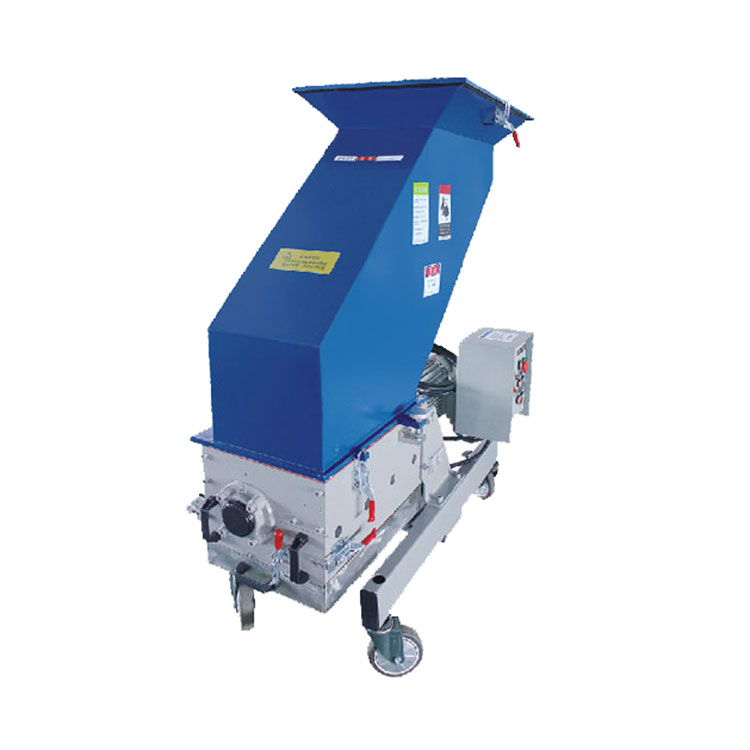
Table of Contents
- What Are Low-Speed Granulators?
- How Do Low-Speed Granulators Work?
- Main Advantages of Low-Speed Granulators
- Comparison Between Low-Speed and High-Speed Granulators
- Industries That Use Low-Speed Granulators
- Key Features to Consider Before Buying
- Maintenance Tips for Long-Term Performance
- Why Manufacturers Choose Niasi
- Frequently Asked Questions
- Conclusion
What Are Low-Speed Granulators?
Low-Speed Granulators are specialized plastic recycling machines designed to crush plastic waste materials at relatively low rotational speeds. Unlike traditional high-speed crushers, these machines minimize dust generation, reduce noise levels, and prevent excessive heat buildup during operation.
They are commonly installed beside injection molding machines, blow molding systems, and extrusion production lines to recycle sprues, runners, rejected products, and other plastic scraps directly back into production.
Because of their low rotational speed, the blades cut materials smoothly instead of violently impacting them. This improves particle consistency and protects the physical properties of the recycled plastic.
Main Materials Processed:
- ABS
- PP
- PE
- PVC
- PC
- PA
- Soft plastics
- Engineering plastics
How Do Low-Speed Granulators Work?
Low-Speed Granulators use rotating cutters combined with fixed blades to gradually shear plastic materials into smaller reusable particles. The slow cutting action creates less vibration and allows more stable operation compared to conventional granulators.
The process typically follows these steps:
- Plastic waste enters the feeding hopper.
- Rotating blades slowly cut the material against stationary blades.
- The crushed material passes through a screen for size control.
- Uniform granules are collected for immediate reuse.
This controlled crushing method significantly reduces fine powder generation and helps manufacturers maintain cleaner production environments.
| Component | Function |
|---|---|
| Rotary Blades | Slowly shear plastic materials |
| Fixed Blades | Provide stable cutting support |
| Screen Mesh | Controls output particle size |
| Motor System | Drives low-speed rotation |
| Soundproof Structure | Reduces operational noise |
Main Advantages of Low-Speed Granulators
Manufacturers increasingly prefer Low-Speed Granulators because they improve productivity while reducing operating costs.
Low Noise Operation
The slow cutting speed minimizes mechanical vibration and noise pollution, making the equipment suitable for factory environments that require quieter operation.
Reduced Dust Generation
Low-speed cutting produces cleaner recycled particles with significantly less dust, improving workplace cleanliness and material quality.
Lower Material Damage
The gradual shearing process preserves the integrity of plastic materials, helping manufacturers reuse materials more effectively.
Energy Efficiency
These machines typically consume less power than traditional high-speed crushers, reducing long-term energy expenses.
Comparison Between Low-Speed and High-Speed Granulators
| Feature | Low-Speed Granulator | High-Speed Granulator |
|---|---|---|
| Noise Level | Low | High |
| Dust Production | Minimal | Significant |
| Material Protection | Excellent | Moderate |
| Energy Consumption | Lower | Higher |
| Best Application | Precision recycling | Heavy-duty crushing |
Industries That Use Low-Speed Granulators
Low-Speed Granulators are widely used across many manufacturing industries where plastic waste recovery is essential.
- Plastic injection molding factories
- Automotive component manufacturing
- Medical plastic production
- Electronic product manufacturing
- Packaging material production
- Consumer goods manufacturing
- Cable and wire industries
Many factories install these machines directly beside processing equipment to create instant recycling systems, reducing transportation and storage costs for scrap materials.
Key Features to Consider Before Buying
Choosing the right Low-Speed Granulator requires careful evaluation of production needs and material characteristics.
- Blade Design: Durable blades improve cutting efficiency and reduce maintenance frequency.
- Motor Power: Proper motor selection ensures stable operation without unnecessary energy waste.
- Screen Size: Different screen meshes determine final particle dimensions.
- Noise Reduction: Soundproof structures help maintain a better working environment.
- Cleaning Convenience: Easy-access machine structures simplify routine maintenance.
- Safety Systems: Overload protection and emergency stop systems improve operational safety.
Maintenance Tips for Long-Term Performance
Routine maintenance is essential for maintaining stable crushing performance and extending machine lifespan.
- Regularly inspect blade sharpness and replace worn blades promptly.
- Clean the crushing chamber to prevent material buildup.
- Lubricate moving components according to manufacturer recommendations.
- Check electrical systems and motor conditions periodically.
- Inspect screen meshes for clogging or damage.
- Train operators on proper feeding procedures.
Proper maintenance reduces downtime and ensures consistent recycled material quality.
Why Manufacturers Choose Niasi
Niasi provides advanced Low-Speed Granulators designed for stable operation, high recycling efficiency, and long service life. The company focuses on helping manufacturers reduce production waste while improving operational efficiency.
Niasi equipment is engineered with durable cutting systems, energy-saving motors, and user-friendly maintenance structures. These machines are suitable for various plastic processing applications and can be customized according to different production requirements.
For manufacturers seeking reliable recycling solutions with lower noise and cleaner operation, Niasi offers practical and efficient granulating systems that support modern sustainable manufacturing goals.
Frequently Asked Questions
Can Low-Speed Granulators process hard plastics?
Yes. Many Low-Speed Granulators are designed to process engineering plastics and hard plastic materials effectively.
Are Low-Speed Granulators energy efficient?
Compared with many traditional crushers, low-speed models generally consume less energy because of their optimized cutting mechanism.
What is the biggest advantage of low-speed crushing?
The biggest advantage is reduced dust and lower material degradation, which improves the quality of recycled plastic.
How often should blades be maintained?
Blade maintenance frequency depends on usage intensity and material type, but regular inspection is recommended to maintain optimal performance.
Conclusion
Low-Speed Granulators play a critical role in modern plastic recycling systems by reducing waste, lowering operational noise, minimizing dust generation, and improving material recovery efficiency. Their stable performance and energy-saving capabilities make them an ideal solution for manufacturers seeking cleaner and more efficient production processes.
If you are looking for reliable Low-Speed Granulators with professional engineering support and customized solutions, Niasi can help optimize your recycling operations and improve production efficiency. Contact us today to explore the best granulating solution for your manufacturing needs.