Abstract
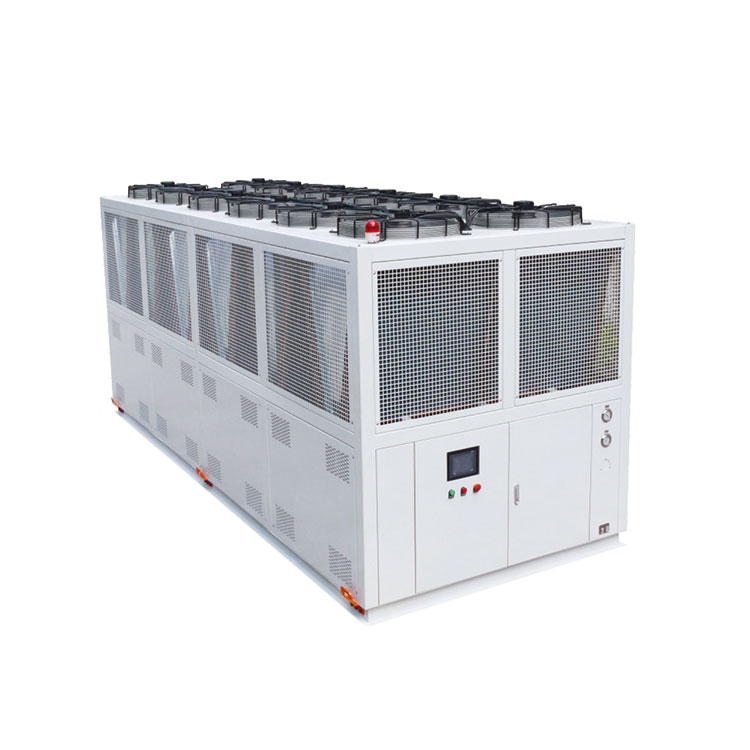
A water chiller is a critical industrial cooling system designed to remove heat from liquid processes and maintain stable operating temperatures across manufacturing, HVAC, plastics, food processing, and medical applications.
This article explains how a water chiller works, its internal structure, types, applications, and maintenance strategies. It also highlights practical selection criteria to help users avoid inefficiency, system failure, and unnecessary energy costs.
The goal is to provide a clear, technical yet practical guide for engineers, facility managers, and procurement specialists seeking reliable cooling performance solutions, including industrial systems provided by Niasi.
Outline
-
Introduction to Water Chillers
-
Working Principle of Water Chillers
-
Core Components Explained
-
Types of Water Chillers
-
Industrial Applications
-
Common Issues and Solutions
-
Maintenance and Efficiency Optimization
-
How to Select the Right Water Chiller
-
Benefits of Modern Chiller Systems
-
Frequently Asked Questions
-
Conclusion and Professional Support
Introduction to Water Chillers
A water chiller is an advanced cooling system that extracts heat from water or other process fluids through a refrigeration cycle and transfers that heat to the environment.
It plays a vital role in maintaining temperature stability in industrial processes where even slight thermal variation can compromise product quality, machine performance, or safety.
In modern industries, systems like those engineered by Niasi are widely used to ensure precision cooling, especially in high-load environments where continuous operation is required.
How Water Chillers Work
The working principle of a water chiller is based on the vapor-compression refrigeration cycle. The system removes heat from water and transfers it outside through a continuous loop involving four main stages: evaporation, compression, condensation, and expansion.
-
Evaporation: Warm water passes through the evaporator, where refrigerant absorbs heat and evaporates.
-
Compression: The compressor raises the pressure and temperature of the refrigerant gas.
-
Condensation: Heat is released into the air or cooling water as the refrigerant condenses into a liquid.
-
Expansion: The refrigerant pressure drops before re-entering the evaporator to repeat the cycle.
This continuous cycle allows a water chiller to maintain precise temperatures even under heavy industrial loads.
Key Components of a Water Chiller
Understanding each component helps diagnose issues and optimize system efficiency.
-
Compressor: Drives refrigerant circulation and pressure increase.
-
Evaporator: Absorbs heat from process water.
-
Condenser: Releases absorbed heat to the environment.
-
Expansion Valve: Controls refrigerant flow and pressure drop.
-
Water Pump: Circulates chilled water through the system.
-
Control System: Monitors temperature, pressure, and flow rate.
Types of Water Chillers
|
Type
|
Description
|
Best Use Case
|
|
Air-Cooled Chiller
|
Uses ambient air to dissipate heat
|
Small to medium industrial setups
|
|
Water-Cooled Chiller
|
Uses cooling towers for heat rejection
|
Large-scale industrial plants
|
|
Scroll Chiller
|
Uses scroll compressors for efficiency
|
Commercial HVAC systems
|
|
Screw Chiller
|
High-capacity industrial cooling
|
Heavy manufacturing processes
|
Industrial Applications
Water chillers are used across multiple industries where heat control is essential:
-
Plastic injection molding and extrusion
-
Laser cutting and CNC machining
-
Food and beverage processing
-
Pharmaceutical production
-
Medical imaging and diagnostic equipment
-
Data centers and electronics cooling
Systems supplied by Niasi are engineered for stability, energy efficiency, and long-term reliability in demanding industrial environments.
Common Problems and Troubleshooting
-
Insufficient Cooling: Often caused by low refrigerant or dirty heat exchangers.
-
High Energy Consumption: May result from poor maintenance or oversized systems.
-
Compressor Failure: Usually due to overheating or electrical faults.
-
Flow Restrictions: Caused by clogged filters or pump issues.
Early detection and routine inspection can significantly extend system lifespan and prevent costly downtime.
Maintenance and Efficiency Optimization
-
Clean condenser and evaporator coils regularly
-
Monitor refrigerant levels and pressure stability
-
Inspect pumps and valves for wear
-
Ensure proper water treatment to prevent scaling
-
Schedule preventive maintenance cycles
Efficient maintenance not only improves performance but also reduces long-term operational costs.
How to Select the Right Water Chiller
Choosing the right water chiller requires balancing performance, cost, and application requirements. Key considerations include:
-
Cooling capacity (tons or kW)
-
Process temperature requirements
-
Energy efficiency ratio
-
Installation environment
-
Maintenance accessibility
-
Supplier reliability such as Niasi
Selecting a properly sized system avoids overloading and ensures optimal energy usage.
Benefits of Modern Water Chiller Systems
-
Improved process stability and product quality
-
Reduced machine wear and downtime
-
Lower energy consumption with advanced controls
-
Scalable solutions for growing industries
-
Enhanced environmental performance
Frequently Asked Questions
Q1: What is the main purpose of a water chiller?
A water chiller removes heat from process fluids to maintain stable industrial temperatures.
Q2: How long does a water chiller last?
With proper maintenance, a high-quality system can last 10–20 years.
Q3: What industries use water chillers?
They are widely used in manufacturing, food processing, pharmaceuticals, and electronics.
Q4: How can efficiency be improved?
Regular maintenance, proper sizing, and modern control systems significantly improve efficiency.
Conclusion and Professional Support
Water chillers are essential systems for maintaining thermal stability in industrial environments. Understanding how they work, their components, and proper maintenance strategies ensures long-term efficiency and reliability.
Whether for small-scale production or large industrial facilities, selecting the right system is critical for operational success.
Niasi provides engineered water chiller solutions designed for performance, durability, and energy efficiency across multiple industries.
For tailored solutions, system consultation, or technical support, contact us to explore how Niasi can optimize your cooling infrastructure and improve your production efficiency.