- English
- Español
- Português
- русский
- Français
- 日本語
- Deutsch
- tiếng Việt
- Italiano
- Nederlands
- ภาษาไทย
- Polski
- 한국어
- Svenska
- magyar
- Malay
- বাংলা ভাষার
- Dansk
- Suomi
- हिन्दी
- Pilipino
- Türkçe
- Gaeilge
- العربية
- Indonesia
- Norsk
- تمل
- český
- ελληνικά
- український
- Javanese
- فارسی
- தமிழ்
- తెలుగు
- नेपाली
- Burmese
- български
- ລາວ
- Latine
- Қазақша
- Euskal
- Azərbaycan
- Slovenský jazyk
- Македонски
- Lietuvos
- Eesti Keel
- Română
- Slovenski

How Does a Dehumidifying Dryer Improve Your Production Efficiency?
Article Summary:
Dehumidifying dryers are crucial in modern manufacturing and processing environments where moisture control is essential. This article explores how these machines work, their advantages, selection criteria, and maintenance tips to help you maximize efficiency and product quality. Whether you're in plastics, pharmaceuticals, or other sensitive industries, understanding dehumidifying dryers can save time, reduce waste, and improve operational reliability.
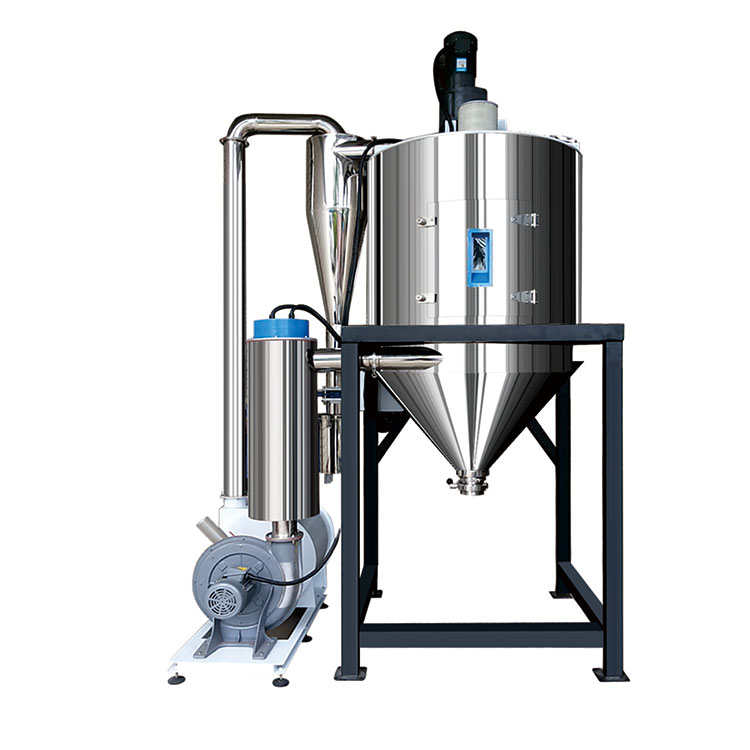
Table of Contents
- What is a Dehumidifying Dryer?
- How Does a Dehumidifying Dryer Work?
- Benefits of Using a Dehumidifying Dryer
- How to Choose the Right Dehumidifying Dryer
- Maintenance Tips for Longevity
- Frequently Asked Questions
What is a Dehumidifying Dryer?
A dehumidifying dryer is a specialized machine designed to remove moisture from raw materials before processing. Moisture content in materials such as plastic resins, chemicals, or pharmaceuticals can significantly impact product quality. Niasi’s dehumidifying dryers ensure that the material reaches the required dryness level, preventing defects and improving consistency.
- Types: Desiccant dryers, heatless dryers, and heat pump dryers
- Applications: Plastics, food, pharmaceuticals, chemicals
- Capacity: Small-scale laboratory models to large industrial units
How Does a Dehumidifying Dryer Work?
Dehumidifying dryers operate by removing moisture through a controlled flow of heated air or desiccant materials. Here’s a step-by-step overview:
- Material Loading: Raw material is placed in the hopper of the dryer.
- Drying Air Circulation: Air is heated and dehumidified before passing through the material.
- Moisture Extraction: Moisture is absorbed or removed from the material, reducing water content to target levels.
- Material Discharge: Dry material is discharged, ready for processing.
| Component | Function |
|---|---|
| Desiccant Rotor | Absorbs moisture from circulating air |
| Heating Chamber | Raises air temperature to improve drying efficiency |
| Air Blower | Ensures uniform air circulation through materials |
| Control Panel | Monitors and adjusts drying parameters |
Benefits of Using a Dehumidifying Dryer
Investing in a dehumidifying dryer offers multiple advantages for production lines:
- Improved Product Quality: Consistent moisture control reduces defects and rejects.
- Enhanced Efficiency: Faster drying times enable higher throughput.
- Energy Savings: Advanced Niasi models optimize energy usage.
- Extended Equipment Life: Dry material reduces wear on downstream equipment.
How to Choose the Right Dehumidifying Dryer
Selecting the correct dryer involves considering your material type, production scale, and moisture requirements. Key factors include:
- Material Sensitivity: Some materials degrade at high temperatures.
- Drying Capacity: Match dryer throughput to your production needs.
- Energy Efficiency: Look for models that reduce operational costs.
- Automation Features: User-friendly controls and monitoring systems can reduce labor costs.
Example Comparison Table:
| Model | Capacity (kg/hr) | Energy Consumption | Temperature Range |
|---|---|---|---|
| Niasi DH-200 | 200 | 5.5 kW | 30–120°C |
| Niasi DH-500 | 500 | 12 kW | 40–140°C |
Maintenance Tips for Longevity
Proper maintenance ensures reliable operation and reduces downtime:
- Regularly clean desiccant materials to maintain drying efficiency.
- Inspect air filters and replace as needed.
- Check heating elements and temperature sensors periodically.
- Schedule preventive maintenance according to manufacturer guidelines.
Frequently Asked Questions
Q1: Can a dehumidifying dryer handle multiple types of materials?
A: Yes, most Niasi dryers are versatile and can be adjusted to handle various materials with different moisture sensitivities.
Q2: How much energy does a dehumidifying dryer consume?
A: Energy consumption depends on the dryer size, material type, and drying temperature. Niasi models are designed for optimal energy efficiency.
Q3: How often should I replace the desiccant?
A: It varies based on usage, but typically every 6–12 months or when drying efficiency drops significantly.
Q4: Can the dryer be integrated into an automated production line?
A: Yes, Niasi dehumidifying dryers support full integration with automated systems for seamless production flow.
Discover how Niasi’s dehumidifying dryers can elevate your production efficiency, reduce defects, and ensure high-quality output. Visit Niasi Dehumidifying Dryer for more information and contact us to get a tailored solution for your facility.