- English
- Español
- Português
- русский
- Français
- 日本語
- Deutsch
- tiếng Việt
- Italiano
- Nederlands
- ภาษาไทย
- Polski
- 한국어
- Svenska
- magyar
- Malay
- বাংলা ভাষার
- Dansk
- Suomi
- हिन्दी
- Pilipino
- Türkçe
- Gaeilge
- العربية
- Indonesia
- Norsk
- تمل
- český
- ελληνικά
- український
- Javanese
- فارسی
- தமிழ்
- తెలుగు
- नेपाली
- Burmese
- български
- ລາວ
- Latine
- Қазақша
- Euskal
- Azərbaycan
- Slovenský jazyk
- Македонски
- Lietuvos
- Eesti Keel
- Română
- Slovenski

How Can Mold Temperature Controllers Enhance Production Efficiency?
Article Summary
Mold temperature controllers are essential devices for regulating the temperature of molds in plastic injection molding, die-casting, and other industrial processes. By maintaining precise and stable temperatures, these controllers improve product quality, reduce cycle times, and extend mold life. This article explains the working principle, benefits, selection criteria, and maintenance of mold temperature controllers to help manufacturers optimize production and reduce operational costs.
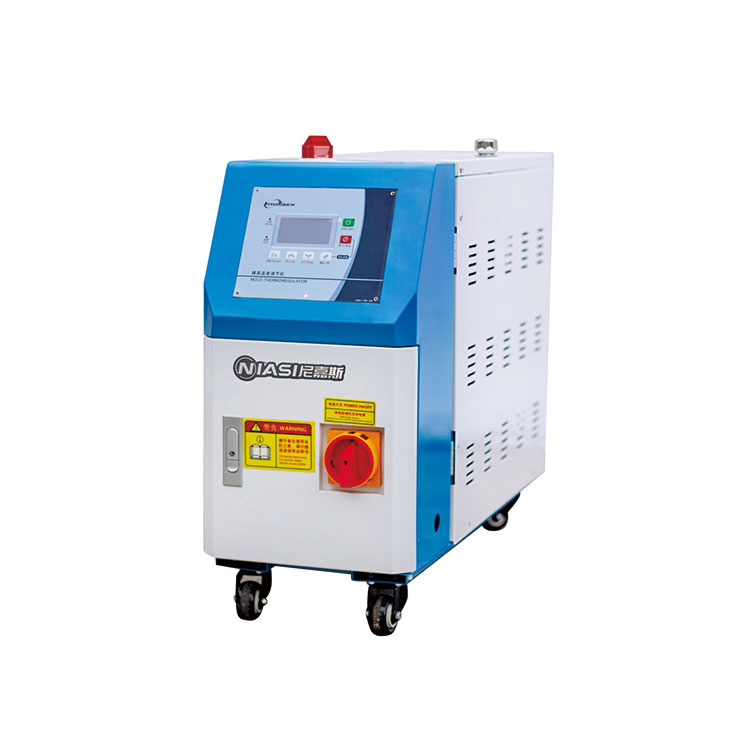
Table of Contents
- 1. What Are Mold Temperature Controllers?
- 2. How Do Mold Temperature Controllers Work?
- 3. Why Are They Important for Manufacturers?
- 4. Key Features and Technical Parameters
- 5. Types of Mold Temperature Controllers
- 6. How to Choose the Right Mold Temperature Controller
- 7. Installation and Maintenance Tips
- 8. Frequently Asked Questions
- 9. Conclusion
1. What Are Mold Temperature Controllers?
Mold temperature controllers (MTCs) are devices designed to regulate the temperature of molds used in injection molding, blow molding, and die-casting processes. Proper mold temperature ensures consistent product quality, prevents defects, and reduces scrap rates. MTCs are widely used in automotive, medical, packaging, and electronics manufacturing.
2. How Do Mold Temperature Controllers Work?
Mold temperature controllers maintain the desired temperature by circulating heating or cooling fluids through channels in the mold. Key operational components include:
- Heaters or chillers to adjust the temperature
- Temperature sensors for real-time feedback
- Pumps to circulate water, oil, or other heat transfer fluids
- Control panels for setting target temperatures and monitoring performance
Advanced controllers often feature digital displays, programmable settings, and communication interfaces for integration into automated production lines.
3. Why Are They Important for Manufacturers?
Using mold temperature controllers provides multiple advantages in industrial production:
- Improved Product Quality: Maintains precise mold temperatures, reducing warping, shrinkage, and surface defects
- Shorter Cycle Times: Optimizes heating and cooling, increasing production efficiency
- Mold Longevity: Prevents thermal stress that can damage molds over time
- Energy Efficiency: Reduces unnecessary energy consumption by maintaining stable temperatures
4. Key Features and Technical Parameters
| Parameter | Description |
| Temperature Range | Typically 0°C to 200°C, depending on fluid and mold requirements |
| Heating/Cooling Capacity | Measured in kW, determines speed of temperature adjustment |
| Fluid Type | Water, oil, or special heat transfer fluids |
| Accuracy | ±1°C to ±2°C for precise control |
| Flow Rate | Ensures sufficient circulation for uniform temperature |
| Control Interface | Digital display, PLC interface, or remote monitoring |
| Safety Features | Over-temperature protection, low fluid detection, alarms |
High-quality mold temperature controllers from Niasi are built for durability, high precision, and reliable operation, meeting the demands of modern manufacturing environments.
5. Types of Mold Temperature Controllers
Mold temperature controllers can be categorized based on heating medium, control method, and capacity:
- Oil-Based MTC: Suitable for high-temperature applications
- Water-Based MTC: Common for low- to medium-temperature ranges
- Inline Controllers: Installed directly on mold circuits for rapid response
- Centralized Controllers: Serve multiple molds in a production line
6. How to Choose the Right Mold Temperature Controller
Selecting an appropriate MTC requires evaluating production needs and mold specifications:
- Temperature Requirements: Ensure controller supports your mold’s target range
- Fluid Compatibility: Choose water, oil, or other fluids suitable for your application
- Flow Rate: Match pump capacity to mold size and complexity
- Precision: Higher accuracy is essential for sensitive or high-tolerance products
- Integration: Ensure compatibility with automated production systems
7. Installation and Maintenance Tips
Proper installation and maintenance ensure longevity and optimal performance:
- Follow manufacturer wiring diagrams and safety instructions
- Check fluid levels regularly and ensure no leaks
- Perform periodic calibration for temperature accuracy
- Clean filters and circulation pathways to prevent blockages
- Monitor for abnormal noises, vibrations, or alarms
8. Frequently Asked Questions
Q1: What is the typical lifespan of a mold temperature controller?
With proper maintenance, high-quality MTCs can last over 10 years in industrial settings.
Q2: Can a mold temperature controller improve energy efficiency?
Yes, by maintaining stable temperatures and reducing overuse of heating or cooling, energy consumption is optimized.
Q3: Is installation complicated?
Installation is straightforward for trained technicians. Following manufacturer guidelines ensures safe operation and accurate control.
Q4: Can one controller serve multiple molds?
Yes, centralized MTCs are designed to manage multiple molds, but flow rate and capacity must be sufficient.
9. Conclusion
Mold temperature controllers are indispensable tools for achieving high product quality, efficient production cycles, and extended mold lifespan. Investing in a reliable and precise controller helps manufacturers reduce costs, enhance consistency, and improve operational efficiency.
Niasi provides advanced mold temperature controllers with robust performance, high precision, and long service life, tailored to meet diverse industrial needs.
For professional solutions and personalized support to optimize your production, contact us today and explore how our mold temperature controllers can elevate your manufacturing process.