- English
- Español
- Português
- русский
- Français
- 日本語
- Deutsch
- tiếng Việt
- Italiano
- Nederlands
- ภาษาไทย
- Polski
- 한국어
- Svenska
- magyar
- Malay
- বাংলা ভাষার
- Dansk
- Suomi
- हिन्दी
- Pilipino
- Türkçe
- Gaeilge
- العربية
- Indonesia
- Norsk
- تمل
- český
- ελληνικά
- український
- Javanese
- فارسی
- தமிழ்
- తెలుగు
- नेपाली
- Burmese
- български
- ລາວ
- Latine
- Қазақша
- Euskal
- Azərbaycan
- Slovenský jazyk
- Македонски
- Lietuvos
- Eesti Keel
- Română
- Slovenski

How Do Vertical Feed Mixers Enhance Feed Preparation Efficiency?
Abstract: Vertical Feed Mixers are essential machinery in modern livestock feed preparation, offering efficient and uniform feed mixing solutions for various farm sizes. This article explores their specifications, operational advantages, common questions, and practical applications in the feed industry. Readers will gain comprehensive insights to make informed decisions on feed mixing equipment while understanding current industry practices.
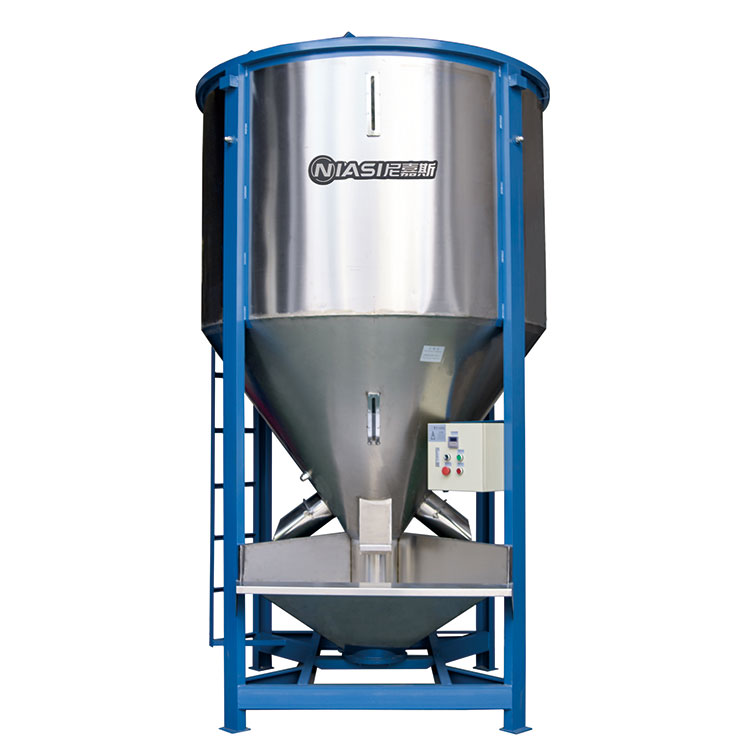
Table of Contents
- Introduction to Vertical Feed Mixers
- Product Specifications and Parameters
- Common Questions About Vertical Feed Mixers
- Applications and Best Practices
- Conclusion and Contact Information
Introduction to Vertical Feed Mixers
Vertical Feed Mixers are mechanical devices designed for efficient blending of various feed ingredients, ensuring uniform nutrient distribution in livestock diets. They operate using vertical augers that lift and mix feed components thoroughly. These mixers are particularly favored for their compact footprint, adaptability to different feed types, and ability to maintain feed quality over time.
The core purpose of this article is to provide detailed guidance on Vertical Feed Mixers, including product parameters, operational considerations, common questions, and practical applications. By understanding these elements, farm operators can optimize feed preparation, improve livestock growth performance, and streamline feed production processes.
Product Specifications and Parameters
The following table presents a detailed overview of typical Vertical Feed Mixer parameters for professional reference:
| Parameter | Value |
|---|---|
| Mixing Capacity | 1–15 m³ |
| Motor Power | 5.5–30 kW |
| Mixing Time | 3–8 minutes per batch |
| Material | High-quality carbon steel or stainless steel |
| Auger Type | Vertical screw with reinforced blades |
| Feed Types Supported | Powdered, granular, pellet, and roughage feed |
| Dimensions (L×W×H) | 1.5–6m × 1.2–2.5m × 2.0–3.5m |
| Weight | 500–4500 kg depending on capacity |
Common Questions About Vertical Feed Mixers
Q1: How does a Vertical Feed Mixer ensure uniform feed distribution?
A1: Vertical Feed Mixers use an upward-moving auger that lifts feed ingredients from the bottom and allows them to fall back naturally. This continuous circulation and folding process ensures each batch achieves a consistent mix without segregation of components, which is critical for balanced livestock nutrition.
Q2: What feed types can be processed with a Vertical Feed Mixer?
A2: These mixers can handle a wide variety of feed ingredients, including powdered supplements, granular grains, pellets, and roughage. The versatility allows farmers to combine multiple feed types in a single batch, reducing labor and time while maintaining nutrient integrity.
Q3: How can maintenance and longevity of Vertical Feed Mixers be optimized?
A3: Regular inspection of augers, bearings, and drive motors is essential. Lubrication of moving parts, timely replacement of worn blades, and ensuring proper feed moisture content during operation prevent mechanical wear and extend operational life. Additionally, cleaning the mixer after each batch reduces contamination risks and improves feed quality.
Applications and Best Practices
Vertical Feed Mixers are widely used in commercial and small-scale livestock farms. Their compact design allows integration with feeding lines, conveyors, or automatic feeders. Optimal applications include:
- Dairy and beef farms for total mixed ration (TMR) preparation.
- Pig and poultry farms to ensure consistent feed texture and nutrient distribution.
- Feed mills for pre-mixing supplements before pellet production.
- Research facilities testing feed formulation and nutrient balancing.
Best practices for operation include loading feed ingredients in a recommended sequence, adjusting motor speed to prevent overmixing, and monitoring mixing time to achieve homogeneity. Integration with automated weighing and control systems enhances precision and reduces labor requirements.
Conclusion and Contact Information
Vertical Feed Mixers offer a reliable, efficient, and versatile solution for modern livestock feed preparation. By understanding specifications, applications, and maintenance practices, farmers and feed producers can improve feed quality, operational efficiency, and animal performance.
Niasi Factory provides high-quality Vertical Feed Mixers with customized solutions to meet diverse agricultural needs. For inquiries, specifications, or orders, please contact us directly to receive professional assistance and product guidance.