- English
- Español
- Português
- русский
- Français
- 日本語
- Deutsch
- tiếng Việt
- Italiano
- Nederlands
- ภาษาไทย
- Polski
- 한국어
- Svenska
- magyar
- Malay
- বাংলা ভাষার
- Dansk
- Suomi
- हिन्दी
- Pilipino
- Türkçe
- Gaeilge
- العربية
- Indonesia
- Norsk
- تمل
- český
- ελληνικά
- український
- Javanese
- فارسی
- தமிழ்
- తెలుగు
- नेपाली
- Burmese
- български
- ລາວ
- Latine
- Қазақша
- Euskal
- Azərbaycan
- Slovenský jazyk
- Македонски
- Lietuvos
- Eesti Keel
- Română
- Slovenski

How Outdoor Storage Silos Improve Bulk Material Handling Efficiency?
Article Summary
Outdoor storage silos are essential infrastructure for industries that handle large volumes of bulk materials such as plastics, grains, cement, chemicals, and resins. They provide a controlled, weather-resistant, and highly efficient solution for storage and discharge operations. This article explores how outdoor storage silos work, why they are critical for modern production systems, and how businesses can select and maintain the right system to reduce costs, improve efficiency, and minimize material waste.
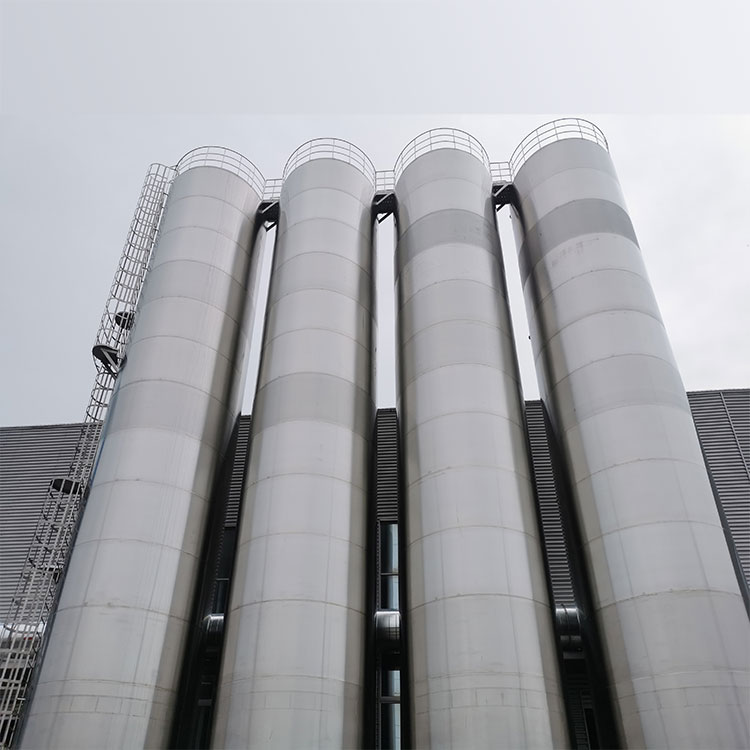
Table of Contents
- Article Outline
- What Are Outdoor Storage Silos?
- Why Industries Need Outdoor Storage Silos
- Key Benefits and Pain Point Solutions
- Industrial Applications
- How to Choose the Right Storage Silo
- Material & Design Comparison
- Maintenance and Operational Best Practices
- Frequently Asked Questions
- Contact Information
Article Outline
- Definition and structure of outdoor storage silos
- Core industrial challenges solved by silos
- Efficiency improvements in bulk material handling
- Use cases across industries
- Technical selection criteria
- Operational safety and maintenance strategy
- Final guidance and supplier support
What Are Outdoor Storage Silos?
Outdoor storage silos are large-capacity cylindrical or rectangular containers designed to store bulk raw materials in outdoor industrial environments. They are widely used in manufacturing, agriculture, plastics processing, food production, and construction industries.
Typically constructed from steel or reinforced composite materials, these silos are engineered to withstand environmental stress such as wind load, moisture, UV exposure, and temperature variation. They are equipped with controlled discharge systems, level sensors, ventilation units, and in some cases pneumatic conveying interfaces.
Unlike indoor storage systems, outdoor silos maximize space utilization by shifting storage infrastructure outside production buildings, freeing up valuable factory floor space.
Why Industries Need Outdoor Storage Silos
Modern industrial production is heavily dependent on continuous material flow. Interruptions caused by poor storage systems can result in downtime, contamination, and financial losses.
Key reasons industries adopt outdoor storage silos include:
- Elimination of raw material contamination from humidity and dust
- Reduction of manual handling and labor costs
- Improved production continuity and automation compatibility
- Better inventory control and large-volume storage capacity
Without proper silo systems, manufacturers often face inconsistent feeding, material degradation, and inefficient warehouse utilization.
Key Benefits and Pain Point Solutions
Outdoor storage silos directly solve several operational pain points encountered in industrial production environments.
| Common Problem | Silo Solution |
|---|---|
| Material moisture absorption | Sealed structure prevents environmental exposure |
| Limited warehouse space | Outdoor vertical storage saves indoor space |
| Manual material handling errors | Automated discharge systems reduce human intervention |
| Production downtime due to refilling delays | High-capacity storage ensures continuous supply |
Additional advantages include reduced material waste, improved workplace safety, and easier scalability for growing production demands.
Industrial Applications
Outdoor storage silos are widely applied across multiple industries due to their versatility and durability.
- Plastic Manufacturing: Storage of resin pellets and additives
- Agriculture: Grain, feed, and fertilizer storage
- Construction: Cement, lime, and sand storage
- Chemical Industry: Powdered and granular raw materials
- Food Processing: Bulk ingredients and starch-based materials
In each application, maintaining material purity and flow consistency is critical to production quality.
How to Choose the Right Storage Silo
Selecting the right silo system requires evaluating multiple technical and operational factors.
- Material Type: Flowability, density, and moisture sensitivity
- Capacity Requirements: Daily consumption vs. storage volume
- Structural Material: Carbon steel vs. stainless steel
- Discharge System: Gravity-fed, pneumatic, or screw discharge
- Environmental Conditions: Wind load, humidity, temperature range
A properly selected silo system ensures long-term stability, reduced maintenance costs, and optimized production efficiency.
Material & Design Comparison
| Type | Advantages | Limitations |
|---|---|---|
| Carbon Steel Silos | High strength, cost-effective | Requires anti-corrosion treatment |
| Stainless Steel Silos | Corrosion resistance, long lifespan | Higher initial investment |
| Composite Silos | Lightweight, easy installation | Limited load capacity |
Maintenance and Operational Best Practices
To ensure long-term performance, outdoor storage silos require routine inspection and preventive maintenance.
- Regular inspection of structural joints and welds
- Cleaning of internal residue buildup to prevent clogging
- Monitoring of level sensors and discharge valves
- Anti-corrosion coating checks for metal surfaces
Proper maintenance not only extends equipment lifespan but also ensures stable production flow and reduced unexpected downtime.
Frequently Asked Questions
Q1: What materials can be stored in outdoor storage silos?
A: They can store plastics, grains, powders, cement, chemicals, and other bulk solids.
Q2: Are outdoor silos weatherproof?
A: Yes, they are designed to withstand rain, UV exposure, and wind loads.
Q3: How long does a storage silo last?
A: With proper maintenance, high-quality silos can last 15–30 years or more.
Q4: Can silos be integrated with automated production lines?
A: Yes, most modern silos support automated feeding and monitoring systems.
Conclusion & Contact Information
Outdoor storage silos play a critical role in modern industrial operations by improving material handling efficiency, reducing waste, and ensuring production continuity. Choosing the right system can significantly enhance operational stability and long-term profitability.
For professional-grade silo solutions and customized industrial systems, Dongguan Niasi Plastic Machinery Co., Ltd. provides advanced engineering support and reliable equipment designed for demanding production environments.
If you are looking to upgrade your storage and handling efficiency or need a tailored solution for your facility, feel free to contact us today for expert consultation and system recommendations.