- English
- Español
- Português
- русский
- Français
- 日本語
- Deutsch
- tiếng Việt
- Italiano
- Nederlands
- ภาษาไทย
- Polski
- 한국어
- Svenska
- magyar
- Malay
- বাংলা ভাষার
- Dansk
- Suomi
- हिन्दी
- Pilipino
- Türkçe
- Gaeilge
- العربية
- Indonesia
- Norsk
- تمل
- český
- ελληνικά
- український
- Javanese
- فارسی
- தமிழ்
- తెలుగు
- नेपाली
- Burmese
- български
- ລາວ
- Latine
- Қазақша
- Euskal
- Azərbaycan
- Slovenský jazyk
- Македонски
- Lietuvos
- Eesti Keel
- Română
- Slovenski

How Does a Centralized Feeding System Improve Manufacturing Efficiency?
Abstract
A centralized feeding system is a modern industrial material handling solution designed to automate the storage, drying, conveying, and distribution of raw materials—typically plastic resins—across multiple production machines. By replacing manual handling and decentralized material supply methods, it significantly enhances consistency, reduces contamination risks, improves production efficiency, and lowers operational costs. This article explains how a centralized feeding system works, its components, benefits, applications, and design considerations, with practical insights for manufacturers seeking scalable automation solutions.
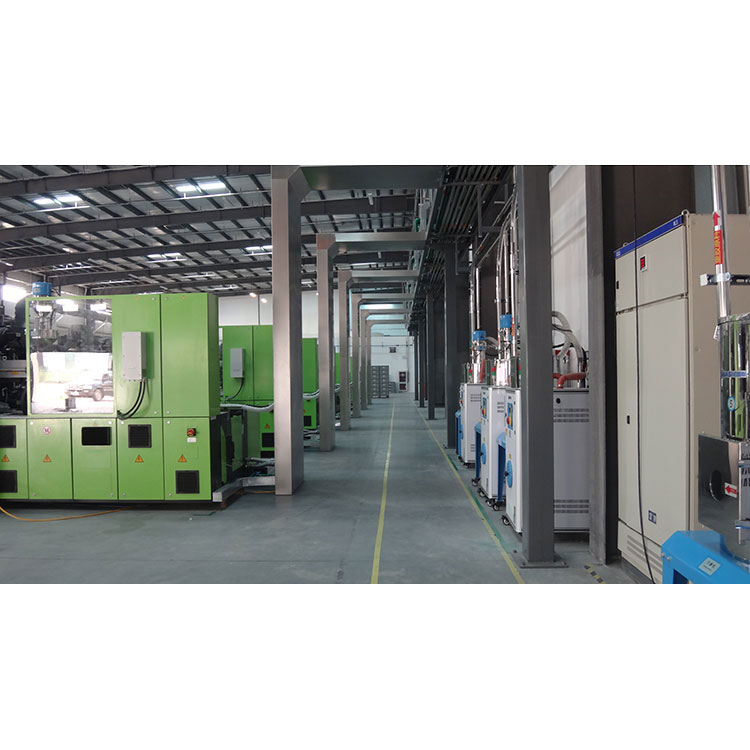
Table of Contents
- Article Outline
- Understanding Centralized Feeding System
- Key Components
- How It Works
- Core Benefits
- Industrial Applications
- Manual vs Centralized Feeding
- Maintenance & Troubleshooting
- Design Considerations
- Why Choose Niasi
- FAQ
- Conclusion
Article Outline
- Introduction to centralized material handling systems
- System architecture and key functional modules
- Operational workflow from storage to machine feeding
- Performance advantages in industrial environments
- Use cases across plastic processing industries
- System comparison and ROI analysis
- Operational maintenance guidelines
- Engineering and customization factors
- Role of Niasi in advanced feeding solutions
Understanding Centralized Feeding System
A centralized feeding system is an integrated automation setup used primarily in plastic processing and injection molding industries. Instead of each machine relying on separate loaders or manual feeding, all raw materials are stored in a central location and distributed automatically through a controlled pipeline system.
This approach eliminates inefficiencies caused by inconsistent material handling, human error, and contamination risks. It also allows manufacturers to scale operations without proportionally increasing labor or operational complexity.
Key Components
A fully functional centralized feeding system is composed of multiple interconnected modules. Each plays a critical role in ensuring continuous and stable material delivery.
- Central Material Storage Silos: Large capacity containers for raw materials.
- Vacuum Conveying System: Transfers materials through pipelines using negative pressure.
- Drying Units: Remove moisture from hygroscopic materials before processing.
- Hoppers & Receivers: Temporarily store and regulate material flow at machine level.
- Control System: PLC-based automation for monitoring and scheduling.
- Filtration Units: Ensure clean airflow and prevent contamination.
How It Works
The system operates through a synchronized process that ensures continuous material supply:
- Storage Phase: Raw materials are loaded into central silos.
- Drying Phase: Materials are dried to required moisture levels.
- Conveying Phase: Vacuum pumps transport materials through pipelines.
- Distribution Phase: Automated valves direct materials to specific machines.
- Control Phase: A centralized controller manages timing, volume, and routing.
This automated loop ensures that production machines never run out of material, reducing downtime and improving throughput consistency.
Core Benefits
Implementing a centralized feeding system provides significant operational improvements across manufacturing environments.
- Reduced Labor Costs: Minimizes manual material handling requirements.
- Improved Product Quality: Ensures consistent raw material conditions.
- Lower Contamination Risk: Closed pipelines reduce exposure to dust and moisture.
- Higher Production Efficiency: Continuous feeding eliminates machine starvation.
- Energy Optimization: Intelligent control reduces unnecessary power usage.
Industrial Applications
Centralized feeding systems are widely used across industries requiring high-volume and high-precision material handling.
- Injection molding plants
- Blow molding facilities
- Plastic extrusion lines
- Automotive component manufacturing
- Consumer goods production
In each of these environments, system stability directly impacts production yield and operational efficiency.
Manual vs Centralized Feeding
| Aspect | Manual Feeding | Centralized Feeding System |
|---|---|---|
| Labor Requirement | High | Low |
| Contamination Risk | High exposure | Minimal exposure |
| Production Consistency | Variable | Highly stable |
| Scalability | Limited | High scalability |
| Operational Cost | Higher long-term cost | Optimized cost efficiency |
Maintenance & Troubleshooting
Although centralized feeding systems are designed for automation, routine maintenance is essential to ensure long-term performance.
- Regular filter cleaning to maintain airflow efficiency
- Inspection of pipeline connections for leaks
- Calibration of sensors and control systems
- Monitoring vacuum pump performance
- Ensuring dryer units operate within specified parameters
Early detection of system inefficiencies helps avoid costly downtime and production interruptions.
Design Considerations
When designing a centralized feeding system, several engineering factors must be considered:
- Plant layout and distance between machines
- Material type and flow characteristics
- Production capacity and future scalability
- Energy consumption optimization
- Level of automation required
A well-designed system ensures seamless integration into existing production environments without disrupting workflow.
Why Choose Niasi
Niasi is a professional manufacturer specializing in advanced material handling and automation systems. With extensive experience in centralized feeding system engineering, Niasi delivers customized solutions tailored to diverse industrial needs.
By focusing on precision design, durable components, and intelligent control systems, Niasi helps manufacturers achieve higher productivity, reduced waste, and improved operational stability.
Whether upgrading an existing facility or building a new production line, Niasi provides end-to-end technical support and scalable system integration.
FAQ
Q1: What materials can a centralized feeding system handle?
It is primarily used for plastic resins, but can also handle powders, granules, and other flowable industrial materials.
Q2: Is it suitable for small factories?
Yes, modular designs allow both small and large-scale implementations.
Q3: How does it improve product consistency?
By ensuring uniform drying, precise dosing, and contamination-free transport of materials.
Q4: Does it require constant supervision?
No, modern systems are fully automated with PLC-based monitoring and alarms.
Q5: Can it be upgraded later?
Yes, systems are designed to scale with production growth and facility expansion.
Conclusion
A centralized feeding system represents a strategic upgrade for manufacturers seeking higher efficiency, consistency, and automation in material handling. By eliminating manual inefficiencies and integrating intelligent control systems, it supports stable and scalable production environments.
With industry expertise and advanced engineering, Niasi delivers reliable centralized feeding solutions that align with modern manufacturing demands.
For more technical details, system customization, or project consultation, Niasi invites you to contact us today and explore how we can optimize your production efficiency.