- English
- Español
- Português
- русский
- Français
- 日本語
- Deutsch
- tiếng Việt
- Italiano
- Nederlands
- ภาษาไทย
- Polski
- 한국어
- Svenska
- magyar
- Malay
- বাংলা ভাষার
- Dansk
- Suomi
- हिन्दी
- Pilipino
- Türkçe
- Gaeilge
- العربية
- Indonesia
- Norsk
- تمل
- český
- ελληνικά
- український
- Javanese
- فارسی
- தமிழ்
- తెలుగు
- नेपाली
- Burmese
- български
- ລາວ
- Latine
- Қазақша
- Euskal
- Azərbaycan
- Slovenský jazyk
- Македонски
- Lietuvos
- Eesti Keel
- Română
- Slovenski

How Can Outdoor Storage Silos Improve Bulk Material Management?
Article Abstract
Outdoor Storage Silos are widely used across industries that require safe, efficient, and scalable bulk material storage. From agriculture and food processing to plastics, chemicals, and construction materials, these systems address common operational challenges such as material contamination, space constraints, weather exposure, and handling inefficiencies. This article provides a structured and practical overview of how Outdoor Storage Silos work, how to evaluate the right solution, and how they help businesses reduce costs while maintaining consistent material quality. It is designed to support informed decision-making for procurement managers, engineers, and operations teams.
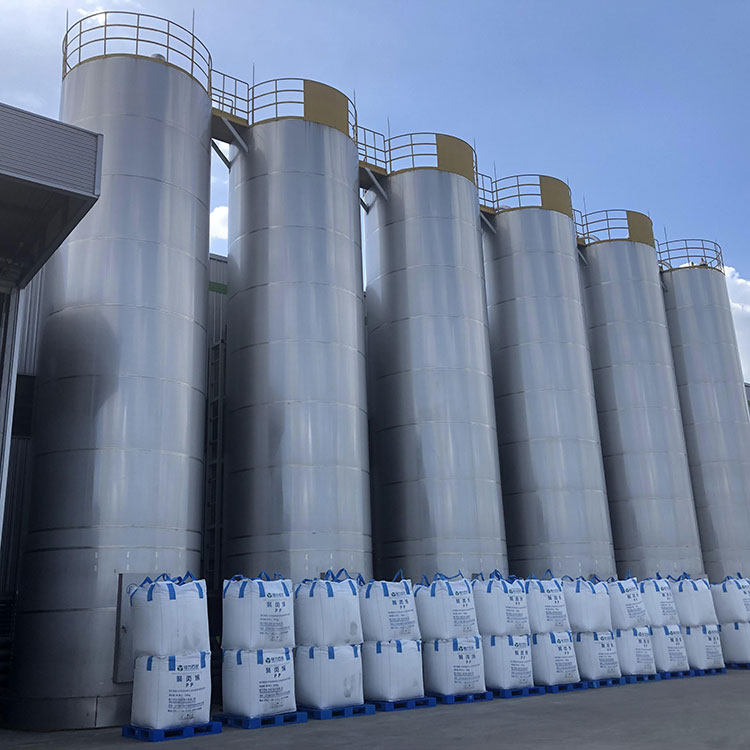
Table of Contents
- Article Outline
- Understanding Outdoor Storage Silos
- Common Customer Pain Points
- How Outdoor Storage Silos Address These Challenges
- Main Types and Structural Options
- How to Select the Right Outdoor Storage Silo
- Typical Industry Applications
- Maintenance and Operational Considerations
- Frequently Asked Questions
- Conclusion and Next Steps
Article Outline
- Definition and core functions of Outdoor Storage Silos
- Key operational and storage challenges faced by users
- Practical benefits and problem-solving mechanisms
- Material, capacity, and design considerations
- Industry-specific use cases
- Maintenance, safety, and long-term performance
Understanding Outdoor Storage Silos
Outdoor Storage Silos are vertical or modular storage systems designed to hold large volumes of bulk materials in an external environment. They are engineered to protect raw materials from moisture, UV exposure, temperature fluctuations, and contamination while enabling controlled discharge into downstream processes.
Unlike indoor bins or temporary storage solutions, Outdoor Storage Silos are built with structural reinforcement and weather-resistant materials, allowing them to operate continuously in demanding industrial environments. Commonly stored materials include plastic pellets, grains, powders, resins, cement, and other free-flowing solids.
Common Customer Pain Points
Organizations that rely on bulk materials often encounter recurring operational issues when storage systems are inadequate or outdated. These pain points typically include:
- Material degradation caused by rain, humidity, or sunlight
- Limited floor space inside production facilities
- Inconsistent material flow leading to production interruptions
- High labor costs associated with manual handling
- Difficulty scaling storage capacity as demand grows
These challenges directly affect productivity, product quality, and overall operating costs, making storage system optimization a strategic priority.
How Outdoor Storage Silos Address These Challenges
Outdoor Storage Silos are designed to systematically resolve the issues listed above by combining structural engineering with functional efficiency.
- Environmental Protection: Sealed structures and optional drying or ventilation systems help maintain stable internal conditions.
- Space Optimization: Vertical design frees up valuable indoor floor area for production and logistics.
- Process Integration: Automated feeding systems support consistent material delivery to machines.
- Operational Efficiency: Reduced manual handling lowers labor dependency and safety risks.
- Scalability: Modular configurations allow capacity expansion with minimal disruption.
Main Types and Structural Options
Outdoor Storage Silos are available in multiple configurations depending on material characteristics and site requirements. The table below summarizes common options:
| Silo Type | Typical Materials | Key Advantages |
|---|---|---|
| Plastic Silos | Plastic pellets, granules | Corrosion resistance, lightweight structure |
| Steel Silos | Cement, minerals, heavy powders | High strength, long service life |
| Modular Silos | Mixed bulk materials | Flexible capacity and easy installation |
How to Select the Right Outdoor Storage Silo
Selecting an appropriate Outdoor Storage Silo requires a clear understanding of operational needs and environmental conditions. Key evaluation factors include:
- Material flow characteristics such as bulk density and moisture sensitivity
- Required storage volume and future expansion plans
- Local climate conditions including temperature range and rainfall
- Integration requirements with conveying or feeding systems
- Compliance with local safety and industrial standards
Working with experienced manufacturers such as Dongguan Niasi Plastic Machinery Co., Ltd. allows buyers to customize solutions that align with both current operations and long-term growth strategies.
Typical Industry Applications
Outdoor Storage Silos are widely adopted across multiple sectors due to their adaptability:
- Plastic processing and injection molding facilities
- Agricultural grain storage and feed management
- Building material production plants
- Chemical and powder processing operations
- Recycling and material recovery centers
Maintenance and Operational Considerations
Proper maintenance ensures stable performance and extends service life. Recommended practices include routine inspection of discharge valves, structural components, and sealing systems. Periodic cleaning prevents material buildup, while monitoring systems help identify flow inconsistencies before they affect production.
When properly maintained, Outdoor Storage Silos provide reliable performance with relatively low operating costs compared to indoor storage alternatives.
Frequently Asked Questions
-
Are Outdoor Storage Silos suitable for all climates?
Yes, when properly designed with appropriate insulation, coatings, and drainage systems, they can operate in a wide range of environments. -
Can silos be customized for specific materials?
Material-specific designs are common and can include customized cone angles, liners, and discharge systems. -
How long is the typical service life?
With correct material selection and maintenance, many systems operate reliably for decades.
Conclusion and Next Steps
Outdoor Storage Silos play a critical role in modern bulk material management by improving efficiency, protecting material quality, and supporting scalable operations. By selecting the right design and working with an experienced supplier, businesses can significantly reduce operational risk while improving production stability.
If your operation is evaluating or upgrading bulk storage solutions, Dongguan Niasi Plastic Machinery Co., Ltd. offers engineered Outdoor Storage Silos tailored to real-world industrial requirements. To explore configuration options, technical support, and customized solutions, contact us today and take the next step toward more efficient material handling.