- English
- Español
- Português
- русский
- Français
- 日本語
- Deutsch
- tiếng Việt
- Italiano
- Nederlands
- ภาษาไทย
- Polski
- 한국어
- Svenska
- magyar
- Malay
- বাংলা ভাষার
- Dansk
- Suomi
- हिन्दी
- Pilipino
- Türkçe
- Gaeilge
- العربية
- Indonesia
- Norsk
- تمل
- český
- ελληνικά
- український
- Javanese
- فارسی
- தமிழ்
- తెలుగు
- नेपाली
- Burmese
- български
- ລາວ
- Latine
- Қазақша
- Euskal
- Azərbaycan
- Slovenský jazyk
- Македонски
- Lietuvos
- Eesti Keel
- Română
- Slovenski

How to Optimize Oil Mold Temperature Controller for Industrial Use?
Abstract: This article explores the Oil Mold Temperature Controller, a crucial device for regulating industrial molding temperatures. It covers the product’s specifications, operational guidance, troubleshooting, and maintenance, providing detailed insights for professionals seeking to enhance molding efficiency. The content includes a structured table of parameters, answers to common queries, and actionable tips to maximize performance.
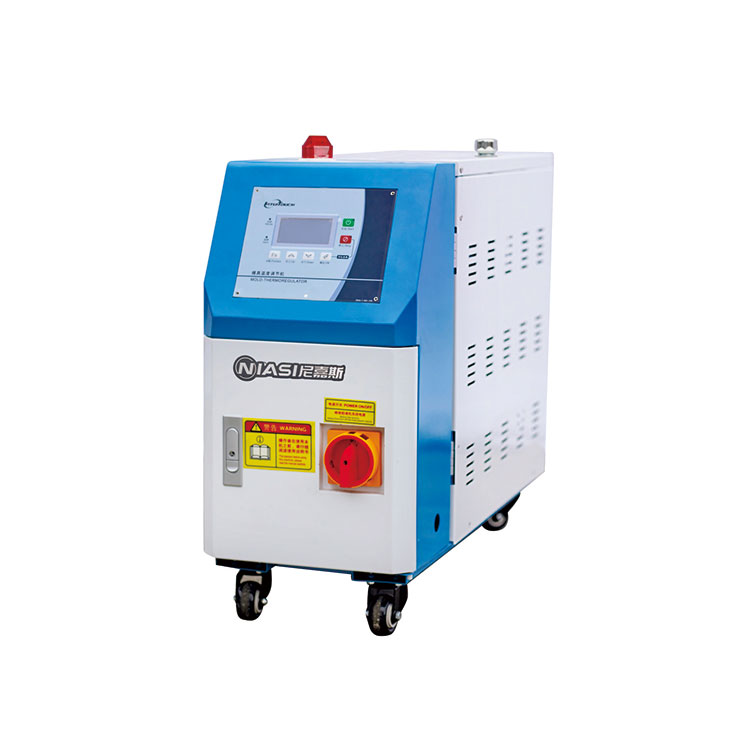
Table of Contents
1. Introduction to Oil Mold Temperature Controller 2. How to Select the Right Oil Mold Temperature Controller? 3. How to Operate and Maintain the Oil Mold Temperature Controller? 4. Common Issues and Solutions for Oil Mold Temperature Controller 5. Conclusion and Brand Information1. Introduction to Oil Mold Temperature Controller
The Oil Mold Temperature Controller (OMTC) is an advanced industrial device designed to regulate the temperature of molds during manufacturing processes such as injection molding, blow molding, and extrusion. Proper temperature control ensures product quality, minimizes material waste, and optimizes production efficiency. This article provides a detailed overview of OMTC parameters, selection criteria, and maintenance practices to help industrial operators make informed decisions.
| Parameter | Specification | Description |
|---|---|---|
| Temperature Range | RT +5°C to 300°C | Adjustable range suitable for most industrial molding processes |
| Heating Power | 3kW – 36kW | Provides stable and rapid temperature rise for large molds |
| Temperature Accuracy | ±1°C | Ensures precise control for consistent product quality |
| Oil Pump Capacity | 5L/min – 50L/min | Supports uniform heating and circulation of thermal oil |
| Control Mode | PID + Digital Display | Facilitates automated and real-time temperature management |
| Voltage | 220V / 380V / 415V | Adaptable for global industrial power standards |
2. How to Select the Right Oil Mold Temperature Controller?
Selecting an appropriate Oil Mold Temperature Controller requires considering factors such as mold size, production cycle time, and required temperature precision. The selection process directly impacts production efficiency, energy consumption, and product consistency.
Key Considerations:
- Mold Volume: Larger molds require higher heating capacity and oil flow rates to ensure uniform temperature distribution.
- Temperature Range: Match the OMTC’s temperature range with the polymer or material processing requirements.
- Control Accuracy: PID-controlled OMTCs offer better stability and reduce the risk of overheating or underheating.
- Energy Efficiency: Consider devices with high-efficiency heating elements and insulation to minimize energy costs.
3. How to Operate and Maintain the Oil Mold Temperature Controller?
Proper operation and routine maintenance are critical to extending the life of an Oil Mold Temperature Controller and ensuring consistent molding results.
Operating Guidelines:
- Ensure thermal oil is clean and free of debris before startup.
- Gradually raise the temperature to the desired setpoint to avoid thermal shock to molds.
- Monitor the temperature using the digital display and make adjustments via the PID controller if necessary.
- Regularly inspect the oil pump and heating elements for signs of wear or leaks.
- Implement a scheduled maintenance routine every 500 operating hours.
Maintenance Checklist:
- Change thermal oil annually or based on operating hours.
- Clean the filter screens to prevent clogging and ensure smooth oil circulation.
- Check electrical connections and sensors to maintain accurate temperature readings.
- Verify pump flow rates and replace seals if necessary.
4. Common Issues and Solutions for Oil Mold Temperature Controller
The following section addresses frequently asked questions regarding Oil Mold Temperature Controllers, providing actionable solutions to typical operational challenges.
FAQ Section
Q1: How to prevent uneven mold heating?
A1: Uneven heating often results from improper pump flow or incorrect oil volume. Ensure the oil pump capacity matches the mold volume, regularly clean filters, and verify that heating elements are functioning correctly.
Q2: How to extend the lifespan of thermal oil?
A2: Use high-quality thermal oil, avoid exceeding the maximum operating temperature, and perform periodic oil replacement based on manufacturer recommendations to prevent degradation and contamination.
Q3: How to troubleshoot temperature fluctuation during molding?
A3: Temperature fluctuations may arise from PID controller miscalibration, sensor malfunction, or inconsistent oil circulation. Check and recalibrate the PID settings, inspect temperature sensors, and ensure unobstructed oil flow to maintain stable temperatures.
5. Conclusion and Brand Information
Choosing and operating a reliable Oil Mold Temperature Controller is fundamental for efficient industrial molding processes. By understanding selection criteria, operational guidelines, and common troubleshooting methods, manufacturers can enhance product quality and reduce production downtime. Niasi provides a comprehensive range of high-performance OMTC solutions tailored to diverse industrial requirements. For professional consultation or to explore the complete product range, contact us today to discuss customized solutions that match your production needs.