- English
- Español
- Português
- русский
- Français
- 日本語
- Deutsch
- tiếng Việt
- Italiano
- Nederlands
- ภาษาไทย
- Polski
- 한국어
- Svenska
- magyar
- Malay
- বাংলা ভাষার
- Dansk
- Suomi
- हिन्दी
- Pilipino
- Türkçe
- Gaeilge
- العربية
- Indonesia
- Norsk
- تمل
- český
- ελληνικά
- український
- Javanese
- فارسی
- தமிழ்
- తెలుగు
- नेपाली
- Burmese
- български
- ລາວ
- Latine
- Қазақша
- Euskal
- Azərbaycan
- Slovenský jazyk
- Македонски
- Lietuvos
- Eesti Keel
- Română
- Slovenski

How Does a Dehumidifying Dryer Improve Industrial Drying Efficiency?
Article Summary
This article explores the role of Dehumidifying Dryers in industrial processes, focusing on their technical specifications, operational mechanisms, and common troubleshooting questions. Readers will gain a deep understanding of how these dryers enhance productivity, reduce material degradation, and maintain consistent product quality. The guide includes real-world applications, detailed parameters, and answers to frequently asked questions for both new and experienced operators.
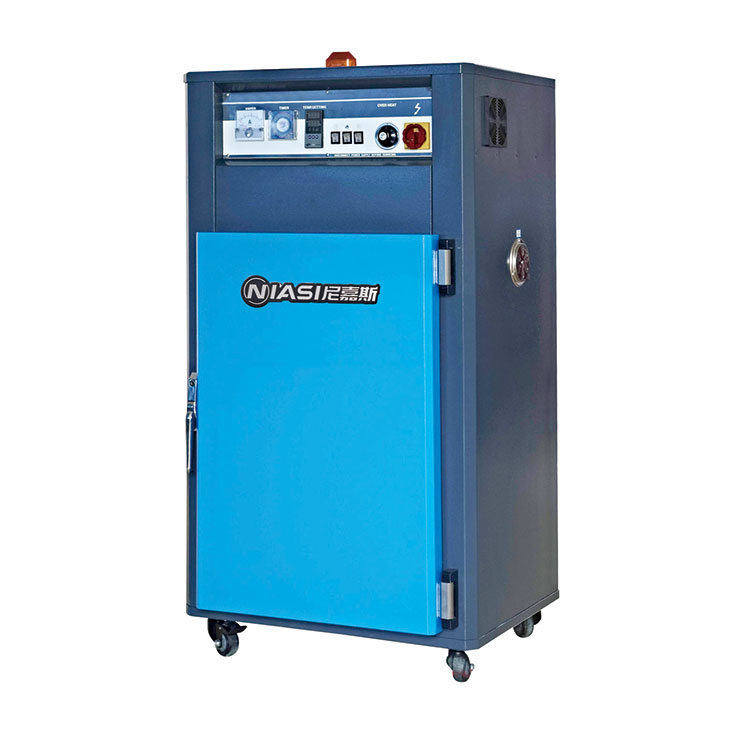
Table of Contents
Introduction to Dehumidifying Dryers
Dehumidifying Dryers are specialized industrial machines designed to remove moisture from plastics, resins, and other hygroscopic materials before processing. By maintaining precise humidity levels, these dryers prevent material degradation, improve molding consistency, and reduce defects in final products. This article delves into the detailed specifications, operational principles, and practical applications of Dehumidifying Dryers, while addressing common industry concerns and operational challenges.
Dehumidifying Dryer Specifications
The following table summarizes the typical technical parameters of a high-performance industrial Dehumidifying Dryer:
| Parameter | Specification |
|---|---|
| Model | ND-500 |
| Drying Capacity | 500 kg/h |
| Drying Temperature | 60–180°C (adjustable) |
| Dehumidifying Method | Desiccant-based continuous air drying |
| Moisture Content After Drying | ≤0.02% |
| Power Consumption | 12 kW |
| Air Flow Rate | 800 m³/h |
| Control System | Microprocessor-based with temperature and humidity display |
| Material Compatibility | ABS, PET, PC, PA, PMMA, PBT, and other hygroscopic resins |
How Do Dehumidifying Dryers Work?
Dehumidifying Dryers operate by circulating hot, dry air through a material hopper, removing moisture efficiently while maintaining material integrity. The core process involves the following steps:
- Material is loaded into the drying hopper.
- Dehumidified air is circulated via a blower through a desiccant rotor or cartridge.
- Moisture-laden air is exhausted and regenerated through the desiccant system.
- Continuous monitoring ensures the drying temperature and dew point remain within set parameters.
- Materials exit the hopper ready for molding or extrusion with controlled moisture content.
Common Questions about Dehumidifying Dryers
1. How long should materials be dried using a Dehumidifying Dryer?
Drying time depends on material type, initial moisture content, and dryer capacity. Typically, hygroscopic resins like PET require 2–4 hours at 80–120°C, while nylons may require up to 6 hours. Continuous monitoring ensures material does not overheat or degrade.
2. What maintenance is required to keep a Dehumidifying Dryer efficient?
Regular maintenance includes checking desiccant condition, cleaning air filters, inspecting heating elements, and verifying blower performance. Desiccant replacement is usually needed after 6–12 months depending on usage intensity. Proper maintenance prevents energy waste and ensures stable drying performance.
3. Can a Dehumidifying Dryer handle multiple types of plastic materials simultaneously?
It is generally not recommended to dry different materials in the same hopper simultaneously, as each resin has unique moisture absorption characteristics and drying requirements. Using dedicated hoppers per material ensures uniform drying and reduces the risk of contamination.
4. How does ambient humidity affect dryer performance?
High ambient humidity can increase drying time and reduce efficiency. Dehumidifying Dryers with low dew point air generation can maintain consistent drying conditions even in humid environments, preventing product defects and ensuring high-quality output.
Applications and Industrial Uses
Dehumidifying Dryers are widely used in plastic processing industries including injection molding, extrusion, and blow molding. Key applications include:
- Drying of hygroscopic plastics to reduce moisture-related defects.
- Preparation of raw materials for high-precision molding operations.
- Integration with automated production lines to maintain consistent production quality.
- Processing of engineering plastics requiring strict moisture control.
Industries benefiting from these dryers include automotive, electronics, packaging, medical devices, and consumer goods manufacturing.
Conclusion and Brand Information
Dehumidifying Dryers are critical in modern plastic processing for reducing material moisture, improving product quality, and enhancing operational efficiency. Dongguan Niasi Plastic Machinery Co., Ltd. offers a full range of industrial Dehumidifying Dryers, combining advanced technology with robust design to meet diverse production needs. For more information or to discuss customized solutions, contact us directly and explore the benefits of high-performance drying systems tailored for your production line.